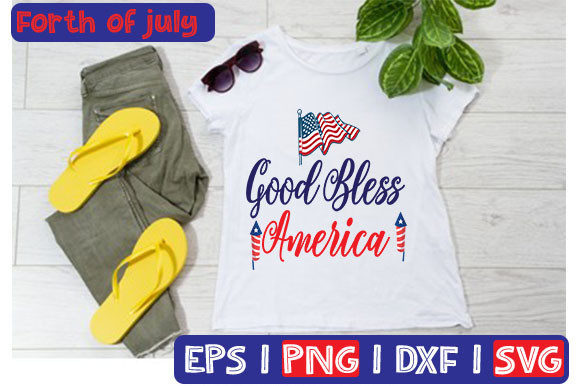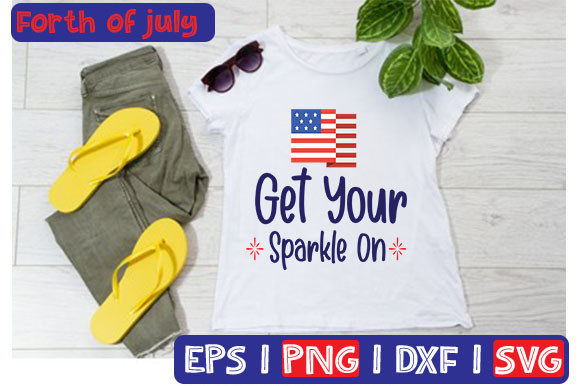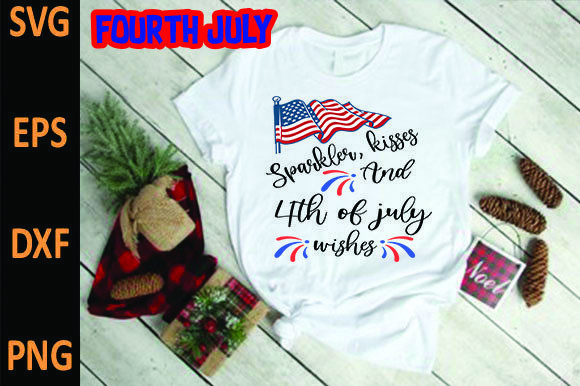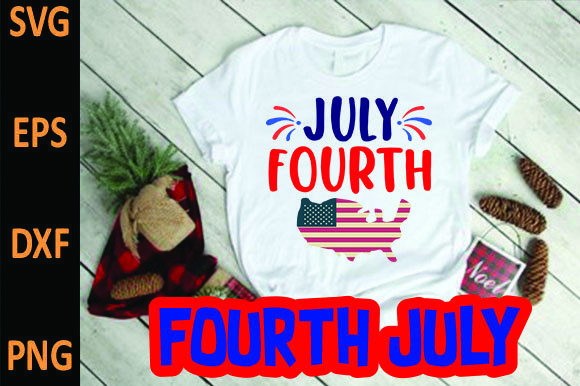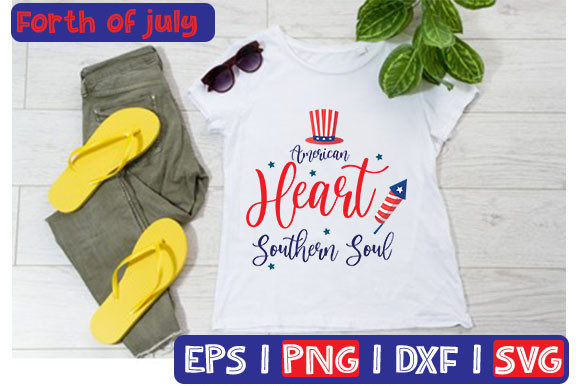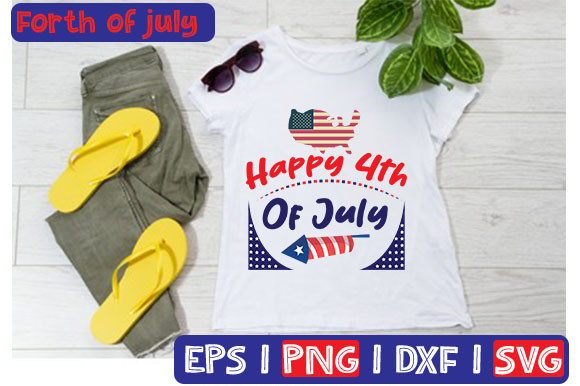
Happy 4th of July Typography for Polished Blog Graphics & T-Shirt Designs
First Impressions & Editorial Mood
Opening the ZIP file containing the Happy 4th of July Typography graphic design asset, my first reaction was immediate: this set feels bold, celebratory, and perfectly seasonal. As a publisher, my job is to communicate a mood quickly, and this typography does that effortlessly. It creates an editorial atmosphere that is patriotic, festive, and community-focused. It naturally supports content niches around American holidays, lifestyle blogging, family activities, summer events, creative small businesses, and, of course, any affiliate content or digital products related to Independence Day celebrations.
The style leans playful and decorative, yet it carries enough visual weight to feel confident and clickable. It doesn’t feel overly feminine or masculine; it’s broadly inviting. This is a key strength for a blog designer aiming to reach a wide audience. When a reader lands on a blog post or sees a Pinterest pin featuring this typography, the perception is one of polished, intentional seasonal content. That builds reader trust because it signals you’ve invested in your website presentation.
A Real Publisher's Workflow: Putting This Asset to Use
Let’s walk through a real publishing scenario. Imagine you’re preparing content for the July 4th week. You have blog posts planned, a newsletter to send, Pinterest pins to schedule, and perhaps a downloadable guide or worksheet as a lead magnet. Here’s how Happy 4th of July Typography becomes your visual anchor.
Creating Immediate Impact with Featured Images & Headers
The PNG file with a transparent background is a godsend. I can instantly overlay it onto a high-quality photograph for a stunning blog featured image. It provides a clear visual hierarchy, letting the headline text pop while the patriotic typography sets the theme. This is crucial for click-through potential, especially on social media or in email newsletters where the thumbnail needs to tell the whole story.
Building Consistent Branding Across Channels
The included SVG and EPS files mean I can scale this design to any size without quality loss. This allows for more consistent branding across all my publishing platforms. I’ll use the same Happy 4th of July Typography core element on my website header banner, my Pinterest graphic templates, my newsletter header graphic, and the cover of a digital guide I’m offering. This repetition creates a stronger visual identity for my seasonal content series, making it instantly recognizable to my audience.
Enhancing Downloadable Resources & Affiliate Content
For content marketing that goes beyond the blog post—like lead magnets, printables, or affiliate product roundups—this asset elevates everything. Imagine a “4th of July Party Planner” PDF or a “Patriotic Decor Ideas” digital guide. Using this typography on the cover and as accent graphics inside makes the resource feel professional and valuable. For affiliate marketers linking to T-shirt designs or party supplies, using this graphic in your article visuals creates a seamless, professional-looking connection that feels more editorial than purely promotional.
Where This Graphic Design Asset Works Best
In my experience, the strongest applications for this specific asset are:
- Hero Images & Article Thumbnails: Its bold nature grabs attention right at the top of a blog post.
- Pinterest Pins & Social Media Previews: The decorative elements stand out in crowded feeds.
- Newsletter Headers & Email Graphics: It sets a festive tone immediately upon opening.
- Downloadable Resource Covers: For worksheets, checklists, or media kits, it adds instant polish.
- Category Page Visuals: On a blog, using it for a “Seasonal Holidays” category thumbnail boosts recognition.
- Canva Template Bases: Import the SVG into Canva to create reusable templates for your entire team.
Publisher Notes: Practical Considerations for Use
To ensure this asset performs well in real-world web design, a few practical checks are essential.
Always test it on desktop and mobile screens. A bold typography might look great large, but how does it render as a small mobile thumbnail? Preview it inside your actual blog layout with your headline text overlaid. Check contrast and readability—if your background image is busy, you might need to adjust placement.
I recommend trying it alongside different font styles in your body text. Place it beside a clean sans-serif font for a modern look, or a classic serif for a more traditional editorial feel. For website performance, remember to compress any final PNG images you create for fast loading. Crucially, before using it on any monetized website, affiliate pages, or paid digital products, confirm the commercial license of the asset. As a digital download from a creative marketplace, most allow commercial use, but verification is a non-negotiable step for professional publishing.
Where to Exercise a Bit of Caution
While versatile, this playful, seasonal typography should be used carefully in a few contexts:
- Very Small Mobile Thumbnails: The decorative details might become indistinct.
- Text-Heavy Blog Images: If the graphic is competing with a lot of overlaid text, clarity can suffer.
- Low-Contrast Backgrounds: Ensure the background provides enough contrast for the design to shine.
- Serious Corporate or Minimalist Niches: Its festive mood may not align with a highly professional, non-seasonal brand voice.
The Final Value for Content Creators
Ultimately, Happy 4th of July Typography isn’t just a T-shirt design graphic; it’s a versatile editorial design tool. For bloggers, digital marketers, and creative entrepreneurs, it solves a key problem: creating professional-looking content pages quickly and consistently. It strengthens the first impression of your seasonal content, improves category recognition, and supports a cohesive visual strategy across your blog graphics, social media graphics, and digital products. By integrating this single, well-designed asset into your publishing workflow, you invest not just in a graphic, but in the perceived quality and trustworthiness of your entire content ecosystem for the holiday season.