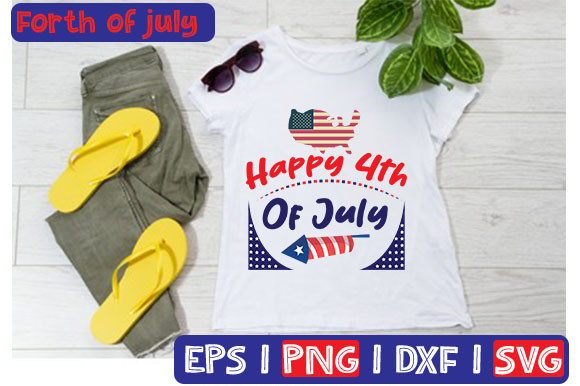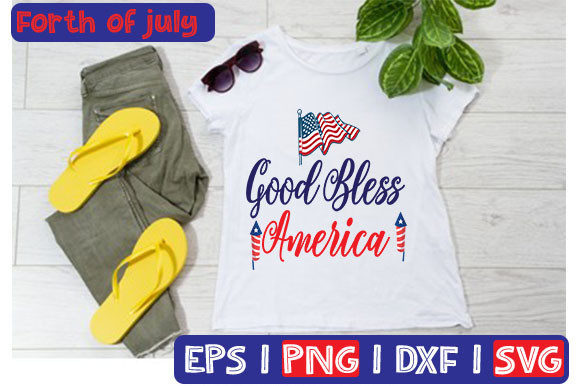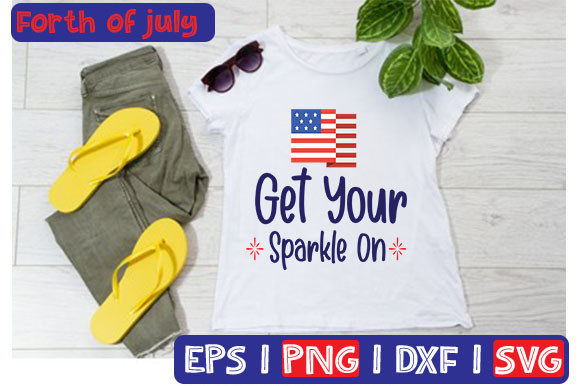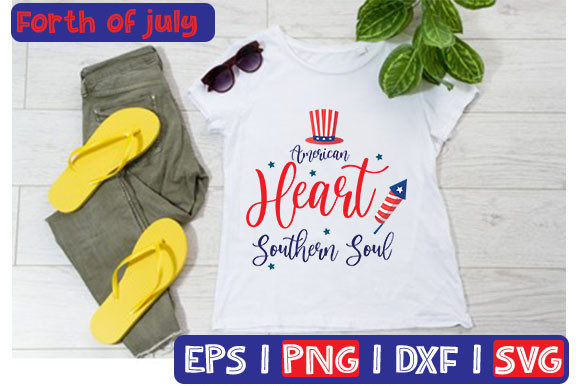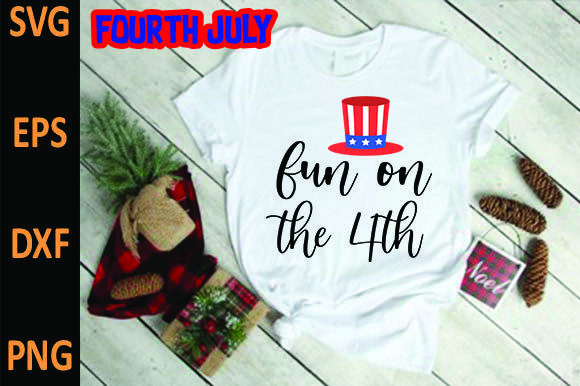
Fun on the 4th Graphics for T-Shirt Designs & Merch
Whenever a new holiday-themed graphic design asset lands in my downloads folder, my first question isn't about its beauty, but its business potential. Fun on the 4th immediately strikes me as a festive, commercial-ready piece of 4th of July typography. Its style leans playful and bold, with a clear patriotic mood that feels perfect for merchandise aimed at celebrations, backyard barbecues, and family gatherings.
This isn't a delicate, hand-drawn illustration; it’s a graphic built for visibility. That makes its niche appeal quite broad—it will attract buyers looking for a statement piece for their apparel or decor. The visual personality is celebratory and unapologetically fun, which works well for sellers targeting a casual, family-oriented audience. For a digital product creator, this means it likely has a high perceived value when placed on a physical item like a t-shirt or tote bag.
How Fun on the 4th Works in Real Product-Selling Scenarios
Considering the included files—SVG, PNG with transparent background, DXF, and EPS—this digital download is built for versatility. The primary use is obvious: as a t-shirt design for print-on-demand platforms or for heat transfer vinyl projects with a Cricut. But the commercial applications go much further.
I would test Fun on the 4th across several product mockups before publishing any listing. Start with apparel: t-shirts, tank tops, and hats. Then, move to decor and accessories. The bold typography makes it a strong candidate for mug designs, tumbler wraps, and tote bag prints. For printable products, it could be scaled for wall art, framed prints, or even as a focal element on greeting cards or invitation templates.
Its clean, graphic nature also means it’s easily adaptable for digital use. You could incorporate it into social media graphics for a July promotion, use it in blog graphics for holiday content, or even create simple Canva templates where customers can add their own text around it. For crafters selling digital downloads, it could be a component in scrapbooking kits or digital paper packs themed for Independence Day.
Product Presentation & Listing Appeal
A design like Fun on the 4th can significantly boost your product presentation. Its boldness translates well into thumbnail appeal on marketplace listings like Etsy or Creative Fabrica. When you create mockup previews—placing the design on a t-shirt against a sunny backyard scene or on a mug on a picnic table—it tells a visual story of use, which builds customer trust.
It’s also a prime candidate for bundling. Pair Fun on the 4th with other complementary patriotic graphics to create a seasonal collection. This increases perceived value and helps with brand consistency for your shop. For a small business branding itself around holidays or Americana themes, this kind of asset is a solid building block.
Where Fun on the 4th Excels
This graphic design asset works best where its scale and boldness can shine. Use it for large product previews on your storefront. It’s ideal for themed bundles centered on the 4th of July. It will be a strong decorative element on printable products like posters or party decor. For merchandise graphics, it’s clearly built for sublimation design or direct-to-garment printing on light-colored fabrics.
It also has strong potential in promotional visuals. As a clean PNG with transparency, you can overlay it on photos for social media promos announcing your holiday collection, instantly creating a professional-looking campaign.
Practical Considerations for Sellers
Before listing any product using Fun on the 4th, there are a few practical checks every experienced seller should do. First, test the design on real mockups—don't just rely on the flat file. Preview how it looks as a tiny marketplace thumbnail; sometimes bold graphics can become muddy when scaled down excessively.
Always check how it looks on both white and dark backgrounds. The provided PNG transparency is key here. Test print colors if you’re offering physical products; reds and blues can vary between printers. For SVG designs intended for Cricut projects or Silhouette cutting, inspect the cut quality in your software to ensure all paths are clean and connected—this is crucial for vinyl applications.
Confirm the file resolution is suitable for your intended end product. For a large wall art print, you’ll need a high-resolution file, whereas for a web graphic, the PNG should suffice. Organize the files clearly for your customers if you’re reselling it as a digital download; a well-structured ZIP file improves the user experience.
When using Fun on the 4th in templates, consider font pairing. Its bold, display-style typography might pair well with a simple sans serif font for additional text, or a playful script font for a more handmade business feel. Most importantly, always confirm the commercial licensing of the original asset before selling your finished products.
Where to Use With Care
While versatile, there are places where Fun on the 4th should be used carefully. Its bold outlines might not translate well into tiny sticker details where fine lines are needed. Avoid placing it in overly complex layouts where it could get visually lost or create a crowded thumbnail.
It may not be ideal for low-resolution print products where the graphic could appear pixelated. Also, be mindful of contrast if placing it on a dark background—the default colors might need adjustment. For text-heavy templates, this graphic should be the hero element, not an additional distraction. And, as mentioned, for Cricut projects requiring very clean cutting lines, always test the SVG paths first.
Approaching Fun on the 4th with this practical, testing mindset turns a simple graphic into a reliable commercial design asset. It allows you to build a more professional-looking online product collection with confidence, knowing exactly how the design performs across the mediums your customers will use. For creative entrepreneurs building seasonal shops, this kind of groundwork is what separates a hobbyist listing from a scalable digital product business.